Why Over Half of Buyers Purchase Property Without a Mortgage in Greece

The structural dynamics of the Greek real estate market have undergone a profound transformation over recent years, fundamentally altering historical real estate financing models. While commercial property values continue to appreciate, securing bank mortgage financing remains a rigorous process accompanied by elevated borrowing costs. Within this economic landscape, a remarkable statistical reality has emerged: 54.1% of property buyers complete their acquisitions entirely with liquid personal equity, without any mortgage funding whatsoever.
This development is not a temporary anomaly; it represents the operational benchmark of the modern Greek property market. Financial liquidity has become the primary differentiator of transaction success, dividing property seekers into two distinct categories: cash-ready buyers capable of acting swiftly and decisively, and mortgage-dependent purchasers constrained by lengthy banking approval procedures.
In this comprehensive analysis, we examine the fundamental drivers behind rising property valuations, explore the dominance of equity-funded acquisitions, and explain why partnering with an experienced real estate consultancy is more essential today than ever before.
The Multi-Factor Dynamics Driving Property Valuations
Price appreciation across the Greek real estate sector is an established reality. The critical insight, however, lies in understanding the interconnected factors propelling this upward trend, as market pressures stem from diverse domestic and international sources.
A significant portion of the market (34.2%) attributes rising valuations to robust international demand. Foreign investors, non-EU buyers seeking European residency via the Golden Visa program, and members of the Greek diaspora have injected substantial capital into the country, targeting prime residential zones in Athens, Thessaloniki, and established Aegean island destinations.
However, external demand operates alongside internal, structural supply constraints. A decade-long contraction in residential construction during the economic crisis created an acute shortage of modern housing stock. Simultaneously, significant increases in building material costs and specialized labor have driven up the development cost of new constructions and renovations, pushing final sale prices upward across the entire real estate spectrum.
The Dominance of Equity and Cash Purchases
The defining feature of the contemporary Greek real estate market is that more than half of all transactions (54.1%) are executed without bank mortgage underwriting.
In practice, this indicates that the Greek residential property market is funded primarily through accumulated personal savings, family equity distributions, asset liquidations, or capital reallocated from alternative investment classes. Furthermore, direct vendor financing—where buyers negotiate structured installment agreements directly with property sellers without bank intermediation—is gaining popularity.
Buyers relying on standard mortgage loans face two substantial operational hurdles. First, the banking underwriting cycle—encompassing credit assessment, preliminary loan approval, and mandatory bank legal/engineering appraisals—remains bureaucratic and time-consuming, regularly exceeding two to three months. Second, prevailing mortgage interest rates, compounded by arrangement fees and mandatory insurance premiums, render total borrowing costs unpalatable for a significant percentage of prospective purchasers.
This polarization creates a two-tier transaction velocity: liquid cash buyers enjoy the agility to close transactions rapidly and command superior negotiating leverage, whereas mortgage borrowers frequently miss out on desirable inventory due to underwriting delays.
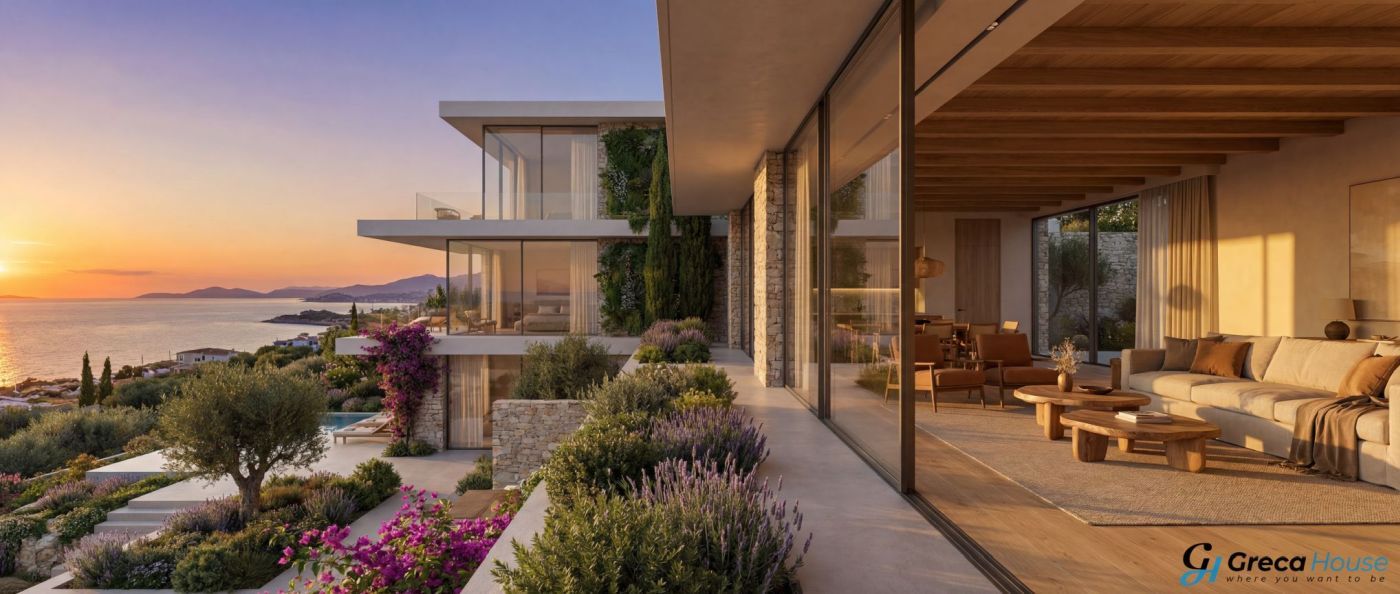
Despite ongoing debates surrounding sale prices and financing costs, the single greatest operational challenge facing property seekers today is identifying suitable, quality inventory.
According to market research, 43.7% of prospective buyers cite finding a property that genuinely meets their architectural, structural, and locational criteria as the most difficult stage of the entire acquisition process. This scarcity directly impacts search timelines: the average duration required to complete a residential purchase now spans several months, frequently exceeding an entire year of systematic viewing.
While the Greek market appears to hold substantial nominal inventory, properties that combine functional layout design, sound structural condition, unblemished legal/planning status, and realistic asking prices represent a distinct minority. Identifying these prime real estate opportunities amidst a volume of overpriced or unverified listings is the modern buyer's primary challenge.
Why 61.5% of Buyers Choose Professional Agency Representation
The increasing complexity of the property market explains why a decisive majority of purchasers rely on professional advisory representation. Specifically, 61.5% of individuals who acquired or leased property over the past five years partnered with an established real estate agency, whereas only 38.5% navigated the market independently.
This data confirms a critical market reality: as the Greek real estate sector becomes more competitive and regulatory compliance grows more stringent, the value of specialized consultancy increases exponentially.
An independent buyer relying solely on public web portals is generally restricted to widely advertised, often overpriced inventory. Conversely, collaborating with a professional real estate consultancy unlocks exclusive off-market properties and private portfolios not accessible to the general public. Furthermore, expert representation saves invaluable time by screening out unsuitable listings and protects buyers from expensive due diligence errors during technical, legal, and title verification.
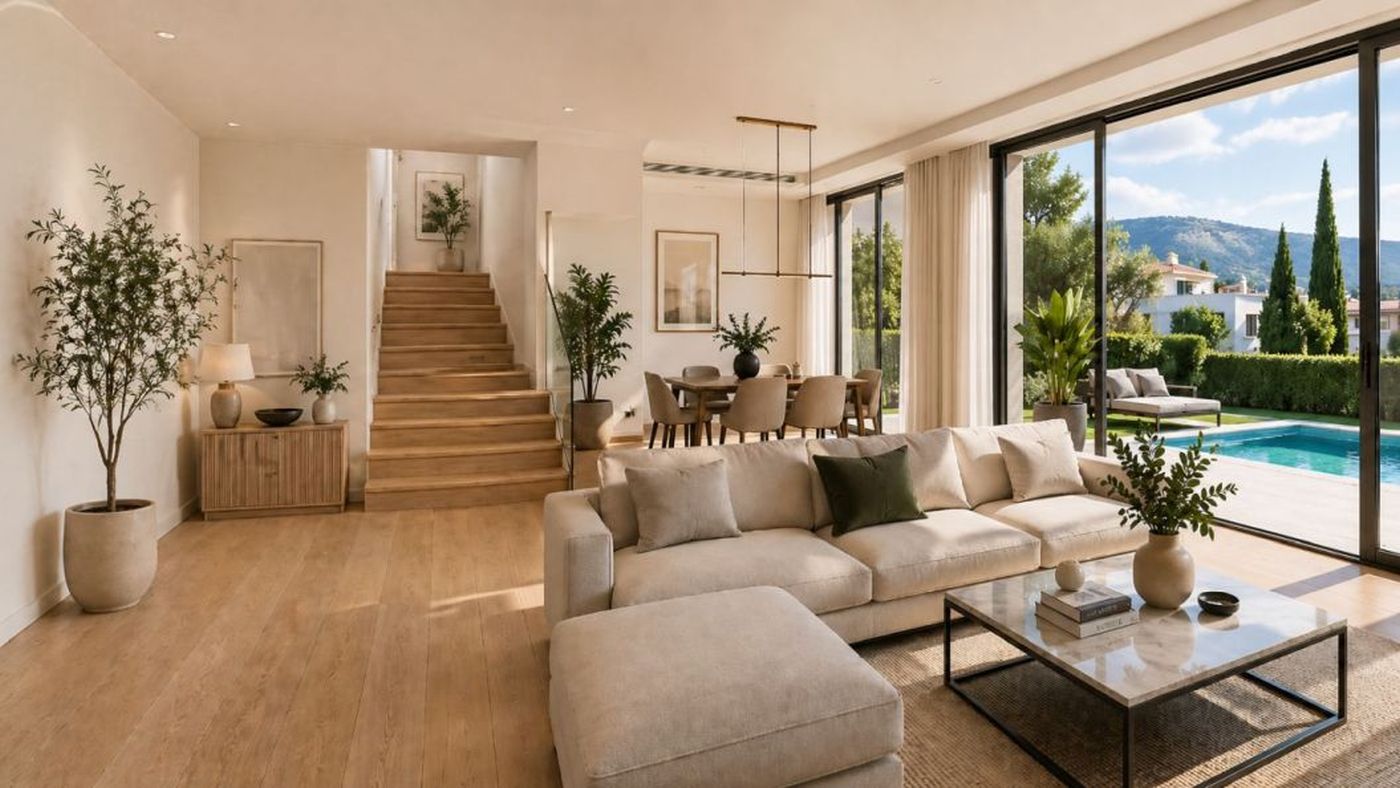
At Greca House, we treat property acquisition as an evidence-based strategic investment. Our methodology rejects the practice of conducting endless, unfocused property viewings; instead, we concentrate on curating targeted residences that align precisely with your lifestyle preferences, capital budget, and investment yield objectives.
Our extensive local market experience confirms that investment success depends on the ability to discern intrinsic property value beneath surface appearances. By systematically evaluating building structural integrity, spatial ergonomics, micro-location dynamics, and capital appreciation potential, we ensure your capital is positioned securely.
In a real estate landscape where premium properties are scarce and transaction speed is paramount, Greca House provides the professional representation and tactical leverage required to complete your property acquisition safely, transparently, and on optimal commercial terms.
Navigating the New Real Estate Landscape
The Greek property market remains one of Europe's most vibrant and rewarding investment destinations, operating under a refined set of rules. The prevalence of equity-funded purchases, localized price divergence, and the challenge of sourcing quality inventory create an environment where professional strategy is essential.
Property seekers who enter the market with a structured acquisition plan and leverage the specialized expertise of a reputable consultancy hold a decisive competitive advantage. Successful property acquisition is not a matter of chance; it is the result of meticulous preparation and expert guidance executed at the right time.
Read also: First Home Buyer Tax Exemption in Greece: Eligibility and Requirements