The Housing Crisis in Greece in 2026: Causes, Impact, and Future Outlook
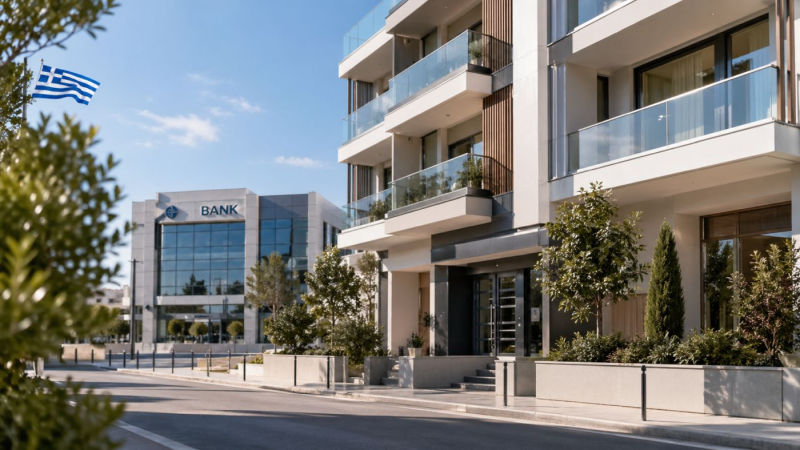
The housing crisis in Greece in 2026 remains one of the country's most pressing socioeconomic challenges. The steady rise in property values and rental rates, combined with a limited supply of quality housing and strong domestic and foreign demand, has created an environment where accessible housing is increasingly difficult to secure. Below, we examine the structural factors contributing to this trend and its broader impact on Greek society.
1. The Gap Between Property Prices and Income Growth
In recent years, residential property values have increased at a significantly faster pace than average household incomes. While real estate prices have experienced a cumulative recovery exceeding 70% from their previous decade lows, wage growth has advanced more conservatively. This disparity has made first-time homeownership substantially more challenging for average earners, requiring longer periods of savings and financial preparation.
2. Rising Rental Rates and Household Budgets
Rental costs have experienced sharp upward momentum, especially in high-demand areas with low vacancy rates. A substantial percentage of tenants now allocate over one-third of their monthly income directly toward housing expenses. This strain reduces general purchasing power and places increased pressure on family budgets across urban centers.
3. Sustained International Investment Interest
Despite rising prices, the Greek real estate market remains highly attractive to international buyers, as property values continue to sit below the European average. Strong demand from remote professionals, retirees, and foreign investors intensifies competition for prime available stock. The Golden Visa program continues to serve as an important driver for property acquisitions by third-country nationals, absorbing a notable share of residential properties.
4. Growth of Single-Person Households
Demographic trends and official census data indicate that while the overall population remains relatively stable, the total number of individual households is expanding. This shift is driven primarily by an increase in single-person households and smaller family units, creating additional demand for compact, autonomous apartments and further straining housing inventory.
5. Declining Homeownership Rates
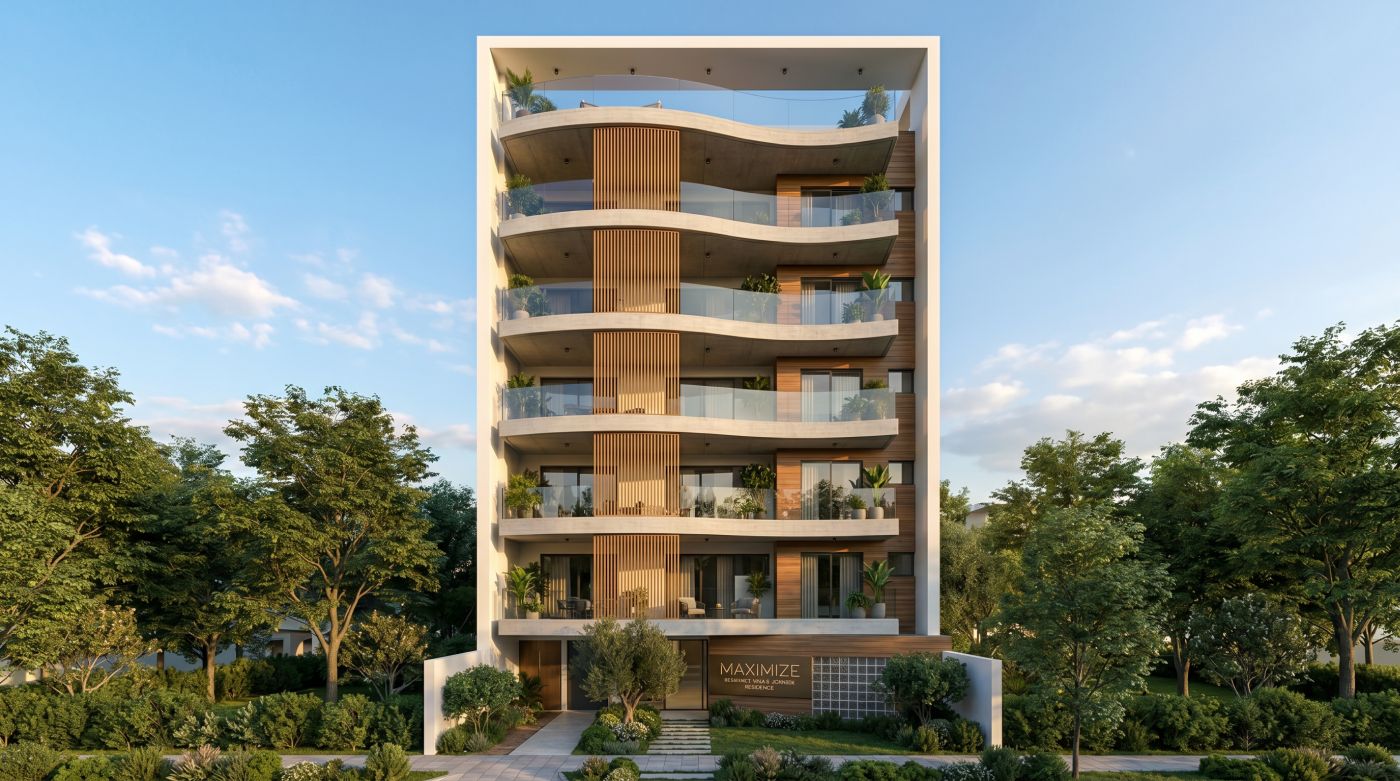
Greece's traditionally high homeownership rate has gradually declined over recent years, moving closer to the European average. An increasing number of residents are relying on the long-term rental market, making a larger segment of the population sensitive to rental price fluctuations and free-market shifts.
6. Aging Building Stock
A significant portion of Greece's residential inventory was constructed several decades ago, leaving many buildings in need of modernization. The energy inefficiency of older apartment blocks leads to higher utility and maintenance costs, while requiring capital-intensive structural renovations to meet modern residential standards.
7. High Volume of Vacant and Unutilized Properties
Hundreds of thousands of residential properties across the country remain closed and off the market. In major urban centers, complex inheritance disputes, legal hurdles, financial constraints, or bureaucratic barriers prevent owners from utilizing their properties. Bringing these vacant units back into the long-term rental market is vital for increasing supply and stabilizing prices.
8. Elevated Construction and Renovation Costs
Rising prices for raw building materials and skilled labor have made property renovations considerably more expensive. Many property owners hesitate to undertake extensive upgrades on older apartments, which slows down the revitalization of existing housing stock.
9. Limited Pace of New Residential Construction
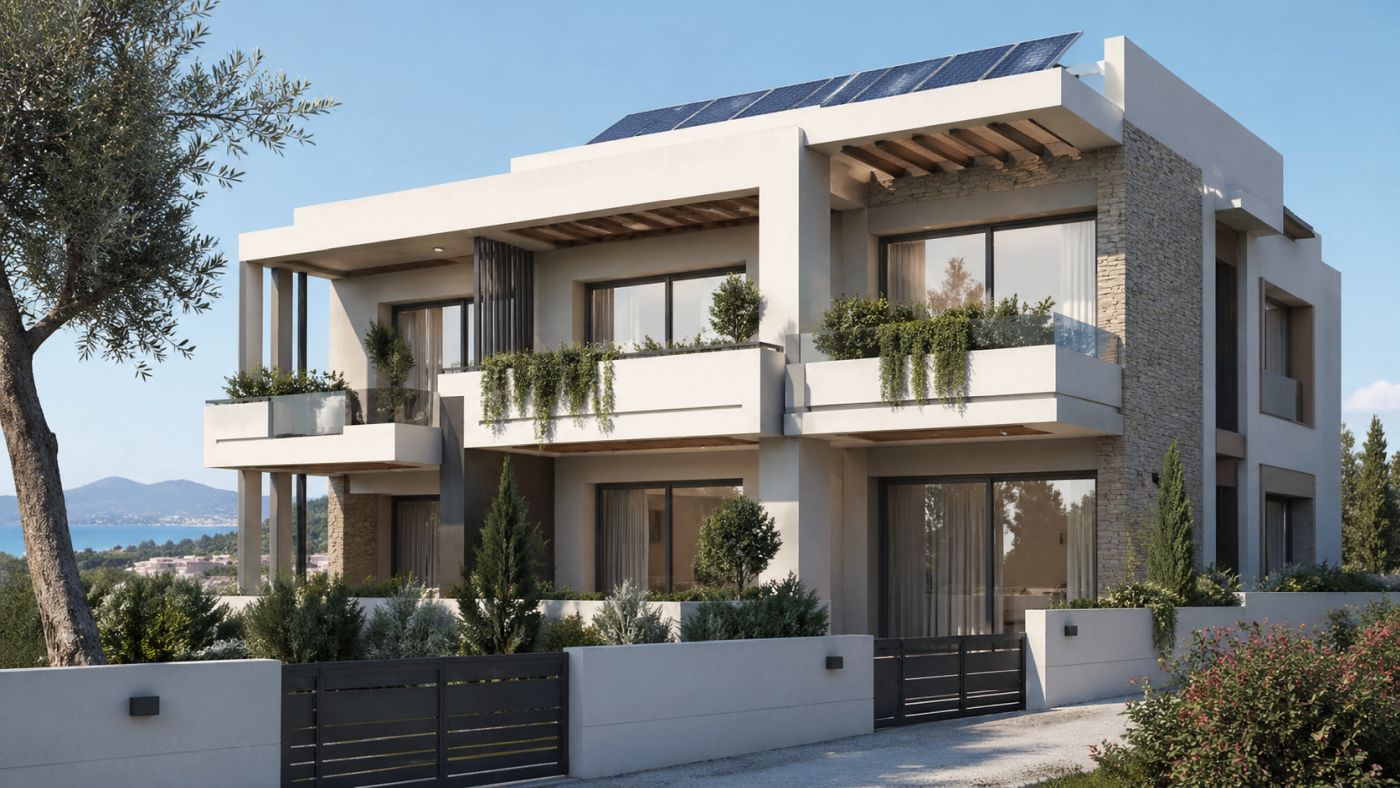
Although construction activity has rebounded in recent years, the volume of new residential developments remains insufficient to fully offset the cumulative deficit of the past decade. High development costs per square meter and a scarcity of available plots in prime urban locations limit the rapid addition of new residential units.
10. Expansion of Short-Term Rentals
The widespread adoption of short-term vacation rentals in tourist destinations and central neighborhoods has absorbed a significant number of residential apartments. This shift has reduced the available inventory for long-term residential leases, putting extra upward pressure on rental rates in popular urban areas.
Market Outlook and Conclusions
Addressing Greece's housing challenges requires coordinated strategies to boost housing supply and modernize existing building stock. Incentivizing the renovation of vacant properties, streamlining administrative processes, and encouraging sustainable residential development can help restore balance to the market over time.
If you are searching for quality housing or investment opportunities that fit your budget and goals, the experienced team at Greca House is ready to assist you. Leveraging our deep local market expertise and comprehensive property portfolio, we guide you toward the right real estate decision.
Read also: How to Identify the Best Real Estate Agencies in Athens