Commercial Real Estate: 8 Essential Tips for Buying Property
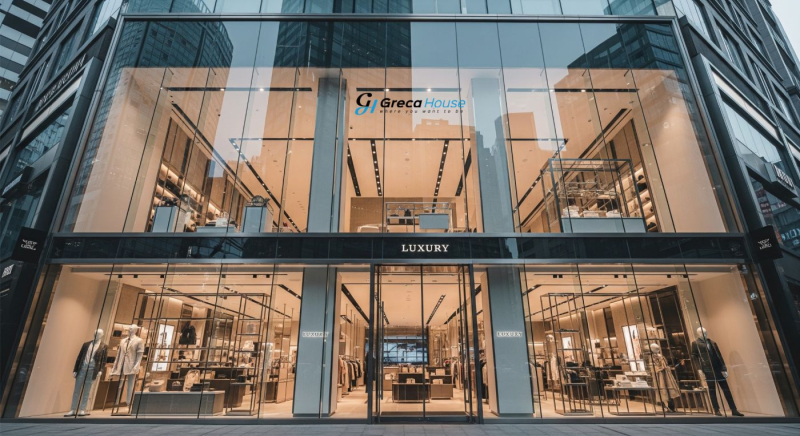
Acquiring commercial real estate is a strategic capital investment that demands thorough research, methodical planning, and realistic market evaluation. Selecting the right property must not only fulfill your company's immediate operational requirements but also actively support its long-term expansion trajectory. Whether you are searching for a modern executive office, a high-visibility retail store, or a warehouse and manufacturing facility, your acquisition strategy should be governed by rigorous professional criteria.
The specialized team at Greca House has compiled 8 essential tips and practical guidelines to help you navigate the process of buying commercial real estate with confidence and security.
1. Exactly Define Your Corporate Operational Requirements
Before initiating property viewings, establish a detailed schedule of specifications tailored to your business operations. Accurately calculate required square footage, accounting for employee headcount, client reception areas, conference rooms, and specialized storage needs. For office suites, evaluate technical requirements such as structured data cabling, dedicated server rooms, and parking space availability. For retail storefronts, analyze desired display window frontage, pedestrian foot traffic patterns, and spatial orientation relative to competitors.
2. Select Your Location Strategically
Location is the cornerstone of commercial viability and long-term asset value retention. Proximity to major highway networks, immediate access to metro stations and public transit, and prominent street visibility are paramount for retail and customer-facing service businesses. Conversely, for logistics operators, wholesale distributors, and manufacturing enterprises, priority should shift toward heavy vehicle maneuverability, highway connectivity, and cost-effective floor area within designated industrial zones.
3. Examine the Growth Dynamics of the District
The neighborhood where the property is located should demonstrate positive economic momentum and future development potential. Commercial property values appreciate significantly in districts undergoing urban regeneration, infrastructure enhancements, or new metro line extensions. Review municipal master plans, track scheduled public and private investments, and avoid submarkets exhibiting signs of commercial decline or severe traffic congestion.
4. Conduct Rigorous Due Diligence on Building Infrastructure
Prior to any financial commitment, commissioning an exhaustive technical inspection by a qualified structural and mechanical engineer is indispensable. A superficial viewing may overlook critical structural defects or aging electromechanical systems that require costly remediation. Verify structural frame integrity, inspect the condition and safety of electrical and plumbing installations, and evaluate fire suppression and HVAC systems. In multi-tenant commercial buildings, review co-ownership regulations, common area maintenance fees, and the professional profile of fellow occupants.
5. Establish a Realistic Budget and Calculate Total Acquisition Costs
Purchasing commercial space is a major capital commitment requiring precise budgeting. Beyond the net purchase price for the property acquisition, your financial plan must incorporate property transfer taxes, notary fees, legal counsel, and estimated capital expenditures for interior build-outs, renovations, and energy efficiency retrofits. If you intend to utilize commercial mortgage financing, secure competitive lending terms and amortization schedules early to safeguard corporate liquidity.
6. Negotiate Price and Contract Terms Strategically
Effective negotiation extends far beyond the headline purchase price to encompass the entire contractual framework. In a dynamic real estate market, analyze recent comparable transactions within the neighborhood to justify a realistic commercial offer. If purchasing an asset that is currently leased to a third party, meticulously review the duration of the existing lease agreement, current rental yield, and contractual terms governing lease termination or renewal.
7. Ensure Absolute Legal and Zoning Compliance
Legal and technical due diligence is the ultimate safeguard for your real estate capital. Instruct independent legal counsel and an engineer to verify that the property possesses unencumbered title deeds, is accurately registered with the Hellenic Land Registry, and complies fully with approved planning permissions. Confirm that municipal zoning laws and building co-ownership rules permit your specific commercial use. Partnering with a reputable real estate agency such as Greca House protects you from complex regulatory hurdles and planning discrepancies.
8. Evaluate the Competitive Landscape and Commercial Ecosystem
Location selection must be evaluated within the broader commercial ecosystem of the district. Analyze the presence of competing businesses as well as complementary commercial enterprises that attract consumer footfall. Strategic positioning adjacent to major anchor tenants, such as banks, public administration offices, or major retail chains, can dramatically enhance brand visibility and drive customer acquisition.
Conclusion: Your Secure Path to a Successful Acquisition

Investing in commercial real estate requires a professional methodology, data-driven analysis, and absolute transparency across every transaction phase. From mapping corporate spatial needs to verifying municipal zoning compliance and negotiating terms, each step influences the security and profitability of your investment.
Partnering with an experienced real estate agency like Greca House provides access to off-market properties, objective market intelligence, and expert negotiation support, saving your enterprise valuable time and resources.
To discuss your corporate property requirements or explore prime investment opportunities, contact our team today.
Explore all available commercial properties for sale.
Read also: How to Buy the Right Commercial Property for Your Business