Greece Real Estate Price Forecast (2026–2030): Trends, Opportunities & Investment Value
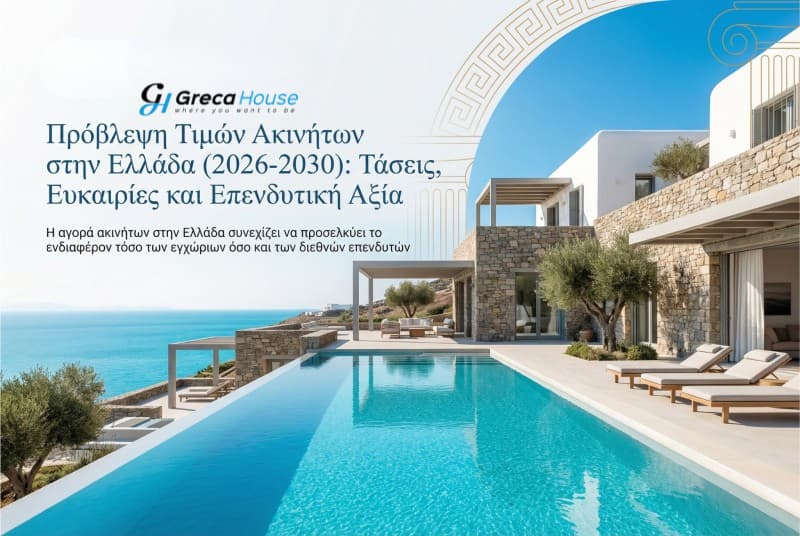
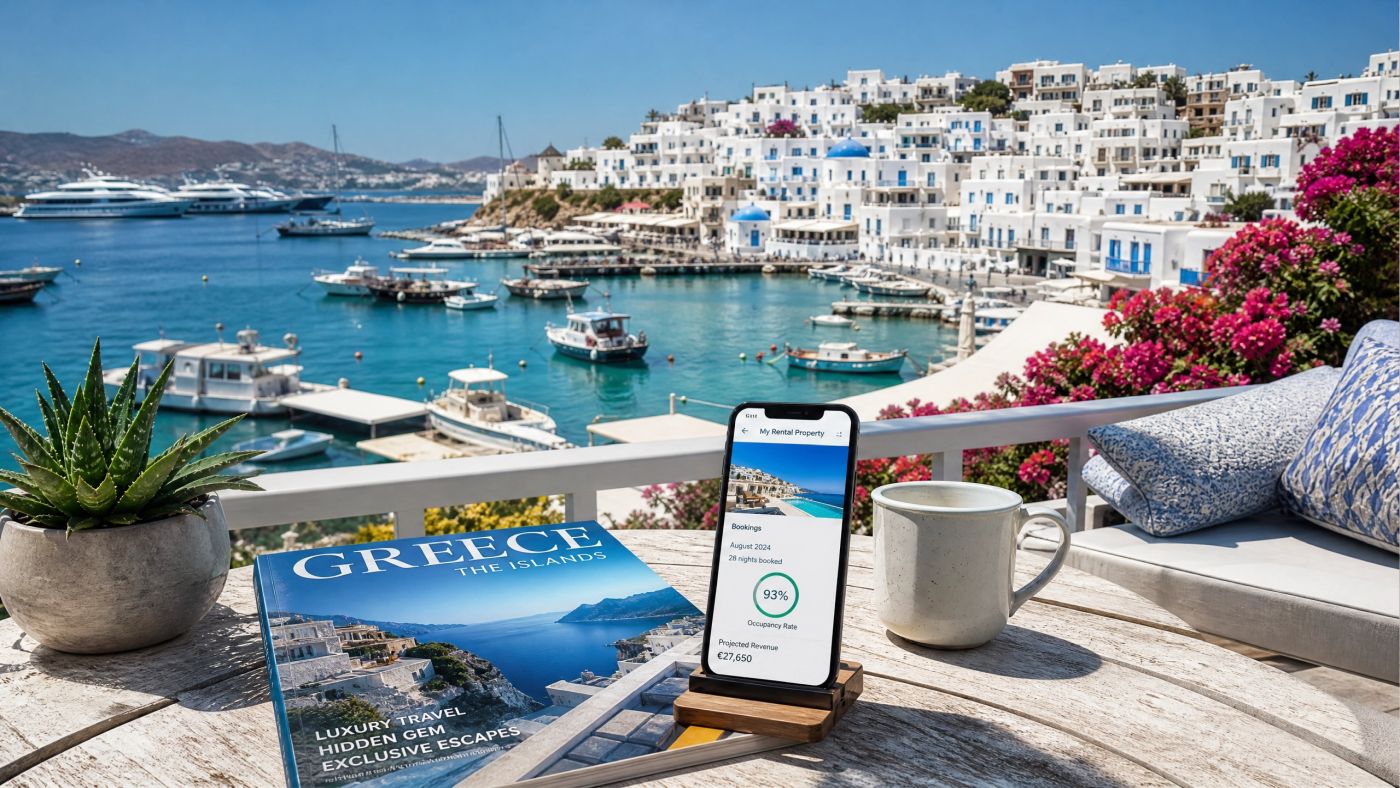
The Greek real estate market remains a focal point for international and domestic investors, entering a phase of sustained, quality-driven growth. Following a multi-year wave of robust property appreciation, the market approaches the 2026–2030 period with refined fundamentals. While rental yields and capital gains in Greece remain highly competitive compared to Western European averages, success now requires strategic neighborhood selection and a clear understanding of regulatory and economic shifts.
Core Drivers Shaping the Greek Property Market (2026–2030)
The strength of Greek real estate is built on solid economic pillars and evolving demographic trends rather than short-term speculation. Several key factors will continue to support property values over the next five years:
- Macroeconomic Stability and Direct Investment: Greece's restored credit ratings and consistent economic growth have solidified its reputation as a safe, transparent Eurozone destination for real estate capital. Foreign Direct Investment (FDI) continues to flow steadily into residential, hospitality, and commercial infrastructure.
- Sustained International and Diaspora Demand: Buyers from North America, Western Europe, and the Middle East are actively acquiring Mediterranean residences for lifestyle relocation, retirement, and portfolio diversification. Concurrently, the Greek diaspora is reinvesting heavily in premium homeland properties.
- The Evolving Golden Visa Landscape: Recent adjustments to the Greek Golden Visa program have established a tiered threshold system: €800,000 for high-demand hubs (Central Athens, Northern and Southern Suburbs, Thessaloniki, Mykonos, and Santorini) and €400,000 across the rest of the country. Crucially, the €250,000 threshold remains available for the conversion of commercial properties into residential units and the restoration of listed historic buildings, directing investor capital toward urban revitalization.
- Limited Supply of Modern Housing: A decade of reduced construction activity, coupled with rising building material costs, has resulted in a structural deficit of modern, energy-efficient homes. This ongoing mismatch between high demand and limited quality supply continues to underpin property values.

Regional Analysis: Where Property Values Are Heading
The market outlook for 2026–2030 highlights a multi-speed landscape, with distinct appreciation rates and yield profiles across different regions:
1. Athens and the Athenian Riviera
The Attica basin commands the lion's share of transaction volume. In Central Athens, demand is driven by urban professionals, students, and hospitality investors seeking turnkey apartments and historic restorations. The Northern Suburbs continue to attract families and corporate executives seeking green spaces and energy-autonomous residences. Meanwhile, the Athenian Riviera—stretching from Palaio Faliro to Cape Sounio—has transformed into a prime international waterfront destination, boosted by major infrastructure projects and luxury coastal developments.
2. Thessaloniki and Northern Greece
Greece's second-largest city is experiencing an urban renaissance, supported by major infrastructure upgrades including the new Metro system and waterfront redevelopments. Central Thessaloniki commands strong rental demand from university students and young professionals, while the western and eastern suburbs offer attractive capital appreciation potential for mid-range budgets.
3. The Cyclades, Crete, and the Ionian Islands
The market for coastal holiday homes is transitioning toward sustainable luxury. In ultra-prime destinations like Mykonos and Santorini, strict architectural zoning and high exclusivity maintain top-tier property values. Crete, Paros, Naxos, Rhodes, and the Ionian islands (Corfu, Lefkada, Kefalonia) are seeing expanding demand from buyers seeking year-round Mediterranean living, reliable seasonal rental yields, and digital nomad hubs.
4. Emerging Mainland Destinations
Peloponnesian regions such as Argolida, Messinia, and Laconia, alongside the island of Evia, are rapidly gaining favor. Offering scenic coastlines, authentic lifestyle, and convenient driving access from Athens International Airport, these locales provide compelling value and substantial room for capital growth.
Strategic Guidance for Buyers (2026–2030)
To maximize investment performance over the next five years, property buyers should align their strategies with prevailing structural trends:
- Prioritize Energy Efficiency: European Union ESG mandates and rising energy awareness make a property's green rating critical. High energy-efficiency classes not only reduce operational costs but also command premium resale valuations and qualify for favorable green mortgage terms.
- Target Urban Regeneration Zones: Investing in neighborhoods slated for transit expansions, port upgrades, or municipal beautification projects before completion offers the strongest potential for capital gains.
- Leverage Value-Add Renovations: Acquiring unrenovated apartments in established, high-demand neighborhoods and upgrading them to contemporary luxury standards remains one of the most dependable strategies for building equity.
The Value of Local Expertise
Navigating the Greek real estate market between 2026 and 2030 offers exceptional rewards for well-advised buyers. Success depends on thorough due diligence, rigorous legal and technical inspections, and an intimate understanding of localized pricing dynamics.
At Greca House, our specialized team provides the market intelligence, proprietary access, and professional support necessary to secure outstanding property investments. Explore our curated portfolio of properties for sale in Greece or contact our advisors to discuss your tailored real estate strategy.