The Importance of Energy Efficiency in Modern Greek Real Estate

Today, energy efficiency stands as one of the most critical benchmarks in evaluating, marketing, and negotiating real estate. Whether a transaction involves an acquisition, property sale, or long-term lease, a certified energy rating plays a primary role in buyer and tenant decision-making, directly impacting market valuation, time-on-market, and overall asset liquidity.
In the evolving landscape of the Greek property market, forward-thinking property owners and investors who upgrade the thermal performance of their buildings command higher rental yields, achieve superior resale pricing, and close transactions with remarkable speed and certainty.
What Is Property Energy Efficiency and How Is It Certified?
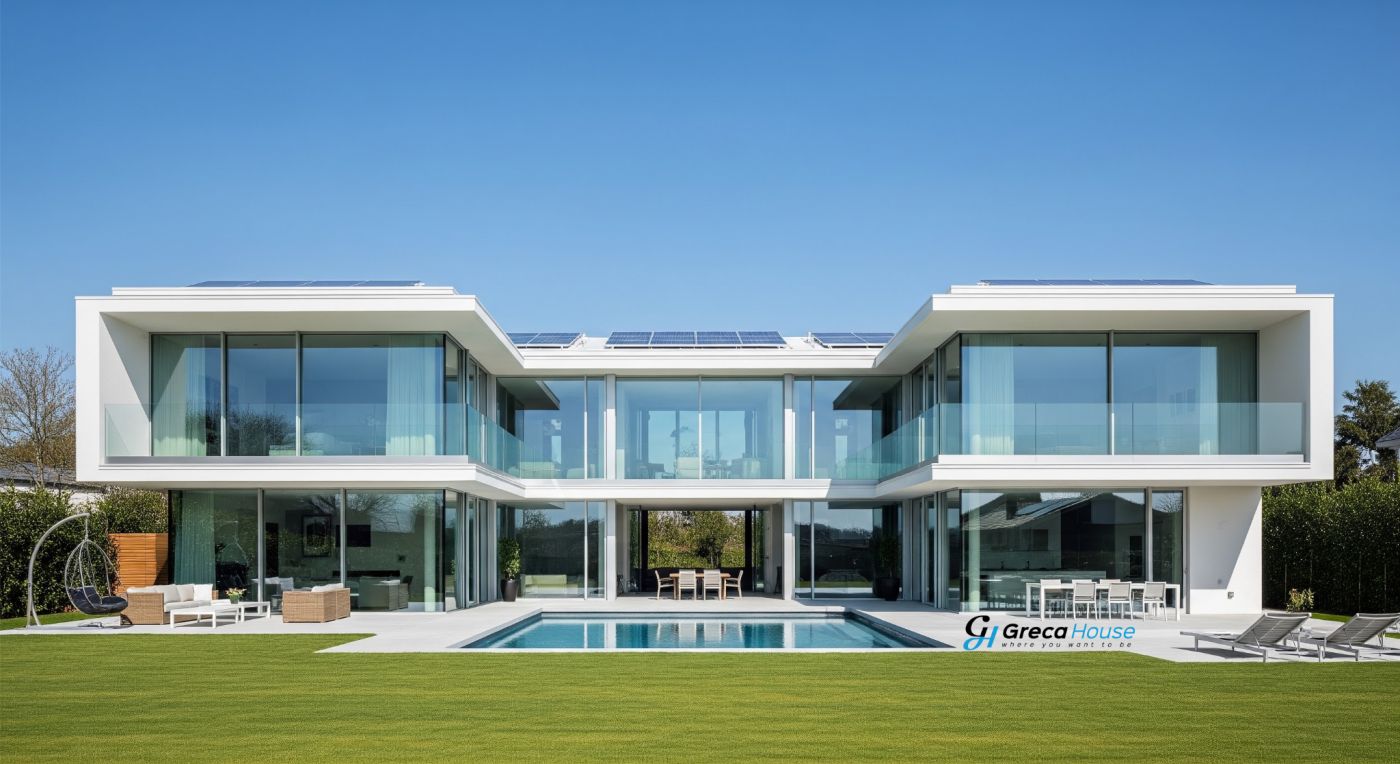
A building's thermal performance is officially documented through the Energy Performance Certificate (PEA), a legally mandated document that classifies properties on a rating scale from A+ down to H. The higher the classification (A+, A, or B+), the more economical and sustainable the building is to operate, demonstrating minimal energy loss across heating, cooling, and lighting systems.
The official energy audit and rating process evaluates a comprehensive suite of technical parameters. These include external facade and roof thermal insulation, the thermal-break performance of window frames and glazing, HVAC efficiency, the presence of solar water heaters or photovoltaic panels, and the overall architectural and structural quality of the building.
How Does Energy Efficiency Impact Property Market Value?
In recent years, market demand for energy-efficient and sustainable real estate has surged. In major urban centers such as Athens—where monthly utility and operating costs significantly impact household budgets—prospective buyers prioritize energy classifications as a primary selection criterion. Specifically:
- Properties classified in energy class A or B+ sell faster and achieve noticeably higher resale prices, as they guarantee substantially reduced ongoing utility bills for heating and cooling.
- Newly constructed residences built to rigorous energy efficiency standards attract robust buyer demand, appealing both to families seeking quality owner-occupation and investors targeting premium rental returns.
- Unmodernized, older properties with low energy ratings (classes E, Z, or H) experience diminished buyer interest, frequently compelling sellers to accept price discounts during negotiations to offset the capital expenditure required for future energy upgrades.
Why Do Today's Property Buyers Prioritize Energy Ratings?
In the contemporary real estate market, purchasing decisions are not based solely on the initial acquisition price, but on the total life-cycle cost of ownership. Electricity and natural gas expenses, combined with growing environmental awareness, make thermal efficiency an uncompromising priority for modern buyers.
Furthermore, energy performance plays a decisive role in the hospitality and investment sector. In many short-term rental properties managed via platforms like Airbnb, superior energy insulation guarantees consistent interior thermal comfort and quiet HVAC operation. This translates directly into outstanding guest reviews, higher occupancy rates, and maximized annual rental revenue.
High-Return Technical Upgrades for Superior Energy Performance
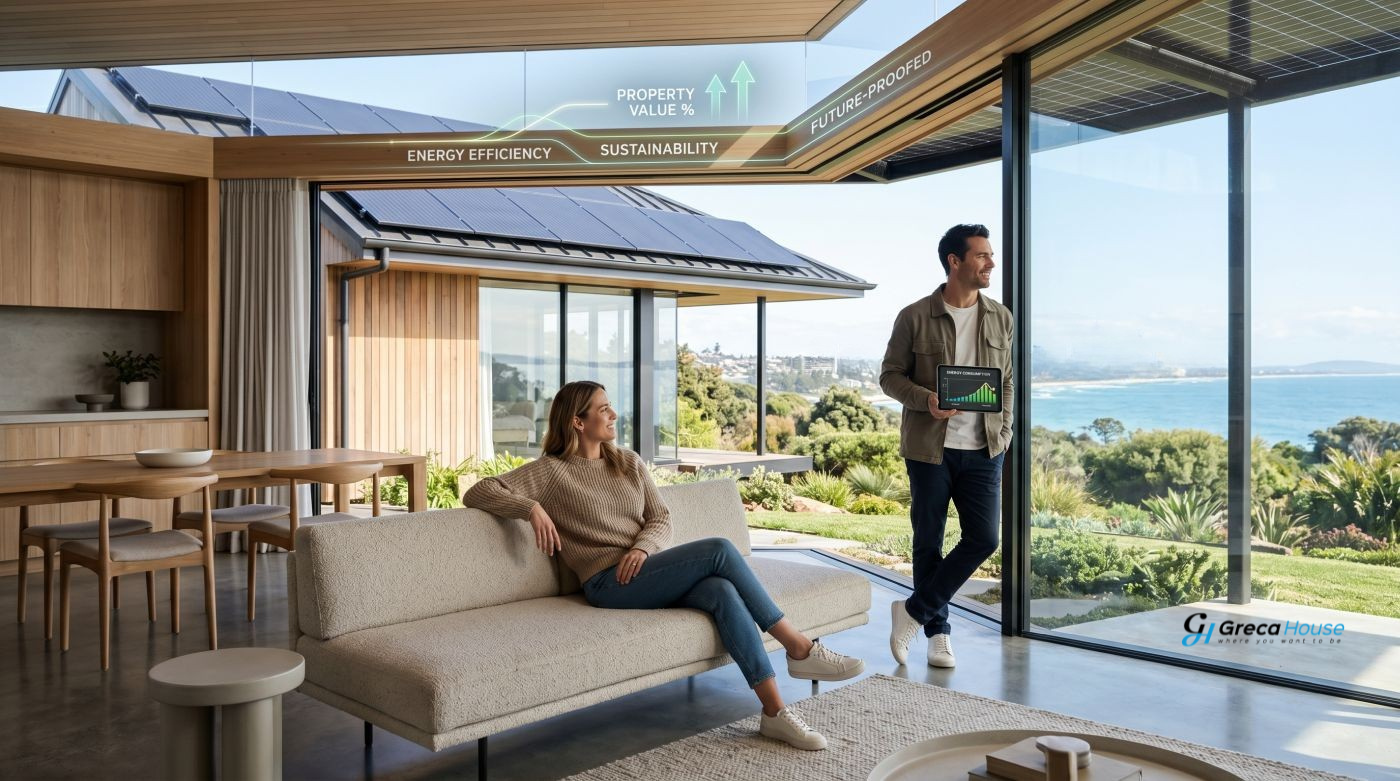
If you are planning to sell or lease your property, executing targeted energy class upgrades represents the most cost-effective strategy for securing a distinct competitive advantage in the marketplace. The most impactful and commercially rewarding technical interventions include:
- Replacing obsolete window frames with modern thermal-break aluminum frames and high-efficiency double or triple low-E glazing.
- Installing certified external thermal facade insulation across perimeter walls and roof structures, effectively eliminating thermal bridges.
- Upgrading primary heating and cooling systems by installing high-COP inverter heat pumps or high-efficiency condensing natural gas boilers.
- Installing modern solar water heaters featuring selective collectors to generate free domestic hot water throughout the year.
- Integrating smart thermostats, climate automation, and LED lighting systems across all interior spaces.
Together, these interventions dramatically reduce ongoing running costs while substantially modernizing the property's commercial profile, making it highly attractive to discerning buyers and tenants.
Expert Guidance and Strategic Advisory from Greca House
Greca House, a premier real estate agency in Athens, continuously monitors evolving regulations, technical standards, and buyer preferences across the Greek property market. We possess a deep understanding of how a building's energy rating influences its true market valuation and transaction speed.
Our advisory team is dedicated to analyzing your property's technical profile and providing strategic guidance, identifying exactly which green upgrades are worth executing before listing your home. Our objective is to ensure you capture maximum capital appreciation and achieve a swift, highly profitable transaction.
If you are considering energy upgrades, selling a residential asset, or acquiring a high-performance property in Athens, contact the Greca House team today. Together, we will formulate the optimal commercial strategy for your real estate portfolio. In addition, read our comparative market analysis: Newly Built vs. Renovated Property: Advantages and Disadvantages Before Buying.