Green Technology in Athens Retail Real Estate: The Future of Stores
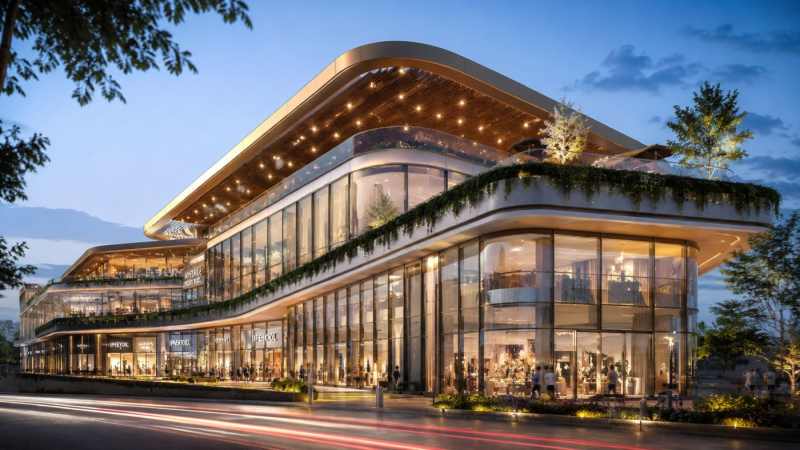
The commercial real estate market in Athens is entering a new era. Modern retail properties are no longer evaluated solely on geographic location, storefront display width, or pedestrian footfall. Today, energy efficiency, environmental sustainability, green architecture, and digital building management infrastructure play an instrumental role in property valuation.
For corporations, asset owners, and institutional investors seeking commercial properties for sale, building structural and environmental quality has become a primary selection criterion. A modern retail store serves simultaneously as a commercial sales point, a brand identity showcase, and a resilient, high-value real estate asset.
In a bustling metropolis like Athens, where historic architectural heritage intersects with expanding tourism and commercial activity, modern retail assets must address two core challenges: drastically lowering operational energy costs and providing a biophilic, comfortable environment for employees and consumers.
European and national regulatory frameworks are accelerating this transition. The European Union's Energy Performance of Buildings Directive (EPBD) establishes stringent energy upgrading standards for the building stock, making a property's energy efficiency rating a decisive factor in commercial marketability.
Why Sustainability Directly Impacts Retail Property Value
Sustainability has evolved from a theoretical corporate ideal into a quantifiable financial advantage. A retail store or commercial building with low energy consumption attracts stronger and higher-quality tenant demand by significantly reducing monthly operating expenditures (OPEX).
For real estate investors, energy-upgraded properties maintain superior marketability and are protected against brown discounting and functional obsolescence. The market now evaluates not just where a property is located, but how efficiently it performs and how readily it can adapt to future technological demands.
Understanding the objective and commercial valuation of real estate is detailed in our guide to true property value, which examines the core variables driving valuations, from structural condition to energy performance.
Statistical data and housing market insights are regularly published by the Bank of Greece, confirming that high-specification commercial properties demonstrate superior demand resilience and capital preservation across economic cycles.
From Traditional Storefronts to Smart Green Retail Assets
The traditional retail store model relied almost entirely on street visibility and storefront signage. Today, contemporary retail properties are transforming into intelligent, energy-autonomous, and digitally interconnected commercial ecosystems.
In practice, this involves integrating Building Management Systems (BMS) for automated lighting and HVAC control, installing rooftop solar PV arrays, deploying IoT consumption sensors, maximizing natural daylighting, and utilizing low-carbon building materials.
Before selecting commercial premises, prospective purchasers can review our comprehensive guide on how to buy commercial property to systematically evaluate both technical specifications and commercial parameters.
Aligning with these standards, the Ministry of Environment and Energy mandates that all new constructions comply with Nearly Zero Energy Building (nZEB) standards, establishing a new quality benchmark across the Greek property market.
Vertical Gardens and Green Architecture in Commercial Design
Integrating natural elements into commercial building design (biophilic architecture) has become a dominant trend. Vertical gardens, planted facades, and green roofs deliver tangible bioclimatic benefits: they improve building thermal insulation, mitigate the urban heat island effect, and aesthetically rejuvenate dense urban streetscapes.
In central Athens, where dense construction and elevated summer temperatures impact pedestrian retail traffic, a green building facade serves as an immediate visual landmark, upgrading the entire retail avenue and increasing footfall.
Solar PV and Energy Autonomy in Retail Properties
Installing photovoltaic systems on the rooftops of commercial buildings, supermarkets, retail arcades, and retail parks is a primary driver of energy autonomy. Generating clean, on-site solar power substantially lowers operational utility costs and shields businesses from energy price volatility.
In Greece, building energy performance is governed by the Regulation on the Energy Performance of Buildings (KENAK), which defines mandatory insulation and electromechanical efficiency standards for all commercial spaces.
Bioclimatic Design: Natural Light, Timber, and Comfort
Bioclimatic design directly influences the retail consumer experience. Expansive glazing with low-emissivity glass, automated shading systems, ample natural daylighting, and the integration of natural materials like timber create an inviting and healthy shopping environment.
Optimizing indoor comfort increases consumer dwell time within the store, translating into higher retail turnover. For property owners considering structural upgrades, commissioning a professional property valuation is the essential first step to accurately calculate projected capital appreciation.
Smart City Integration and Digital Store Infrastructure
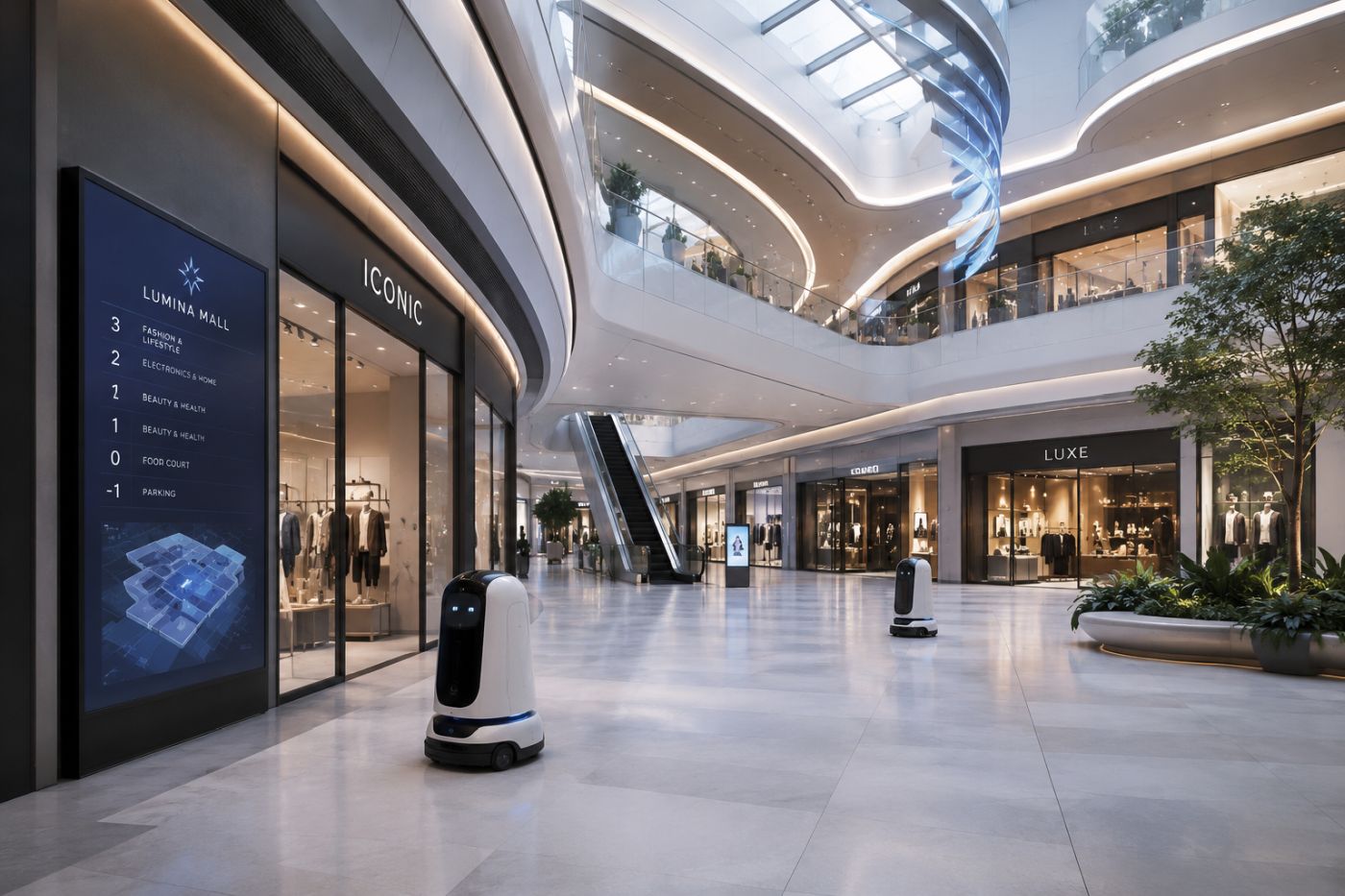
Merging sustainable architecture with digital technology defines the smart retail concept. Modern stores incorporate dynamic LED display facades, automated customer service kiosks, and IoT traffic sensors that analyze visitor footfall and behavior in real time.
The commercial building functions as an active node within the broader smart city ecosystem, interacting with municipal energy grids, public lighting, and urban mobility networks to achieve optimal operational efficiency.
The Acropolis Backdrop: Connecting Heritage with Innovation
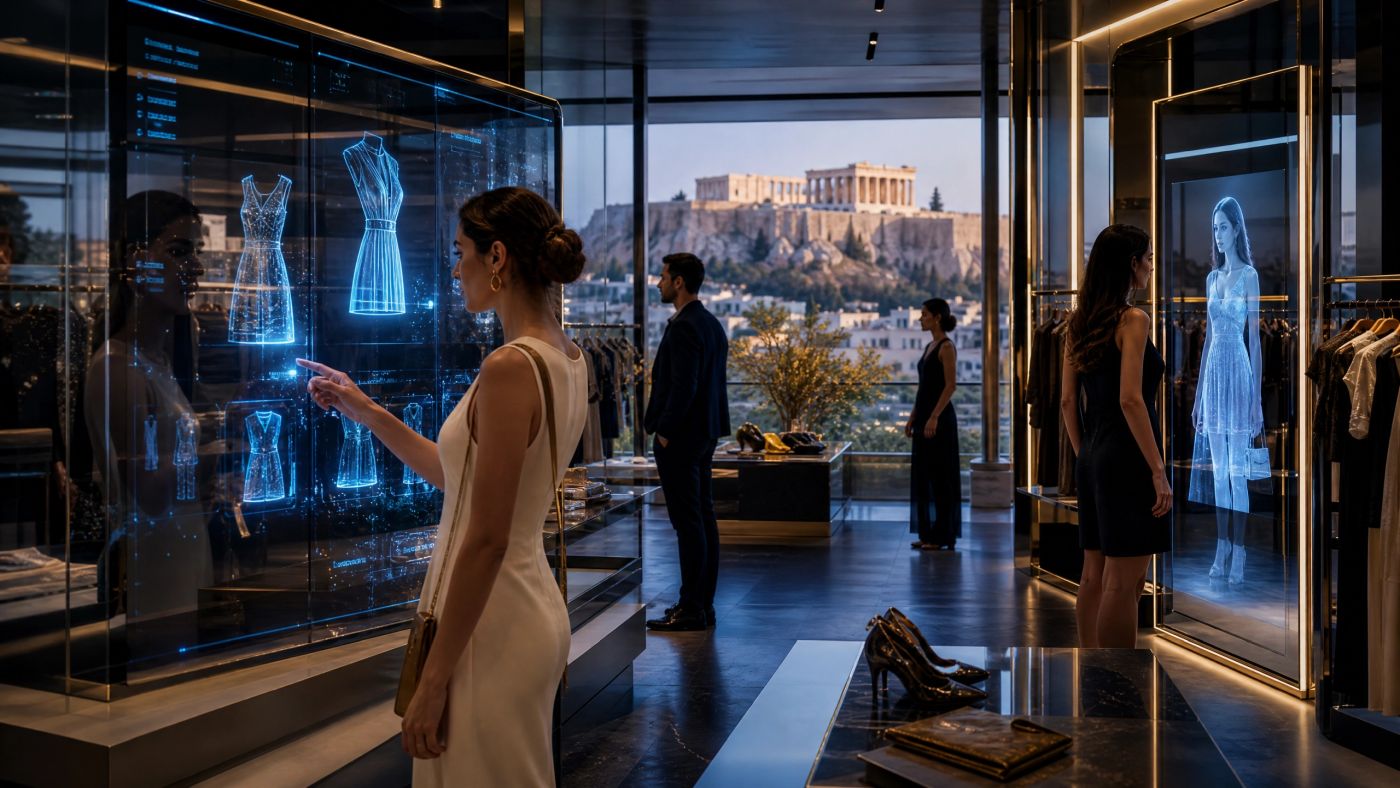
Athens possesses the unique architectural advantage of blending world-renowned ancient heritage with sustainable modern urban design. An energy-retrofitted commercial building featuring living green walls and smart automation systems, set against the backdrop of the Acropolis, exemplifies the forward-looking identity of the Greek capital.
The commercial vitality of the historic center is explored in our guide to buying property in Athens Center, highlighting districts with exceptional investment potential.
Strategic Implications for Investors and Property Owners
For landlords and institutional investors, prioritizing green building technologies ensures sustained market competitiveness. Green-certified properties command rental premiums, experience lower vacancy rates, and attract creditworthy corporate tenants bound by corporate ESG (Environmental, Social, and Governance) mandates.
Discover more about long-term capital preservation in our guide to properties with resale value in Greece, and explore fundamental purchasing strategies in our overview of buying property in Greece.
Marketing and Selling Upgraded Commercial Assets
Effectively communicating a property's energy and technological features is paramount during the sales process. Documenting low utility consumption, showcasing official Energy Performance Certificates (EPC), and highlighting building automation systems elevate asset desirability and justify premium valuation multiples.
The Next Era of Retail Real Estate in Athens
Green technology and digital transformation represent the new baseline for commercial real estate. The retail properties that will lead the Athens market over the coming decade are those that successfully combine prime geographic location, bioclimatic architecture, energy autonomy, and spatial layout flexibility.
Greca House offers the market intelligence and advisory expertise to guide you in selecting, evaluating, and negotiating next-generation commercial assets. Explore our blog for further market insights or contact our team for personalized investment consultancy.
Explore all available commercial properties for sale in our curated catalog.