What Property Listing Photos Don't Show: 8 Crucial Things to Inspect During a Viewing
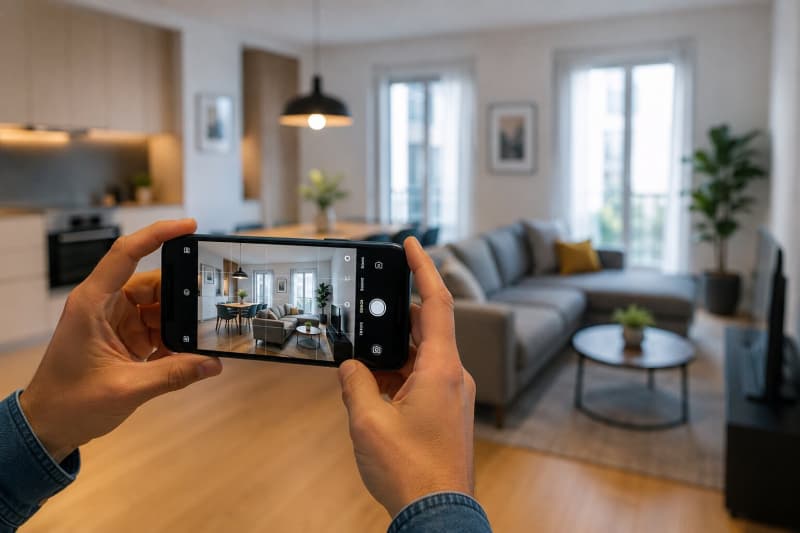
In today's digital real estate market, the search for a new home or investment property almost always begins online. Professional photography, 360° virtual tours, and polished video walkthroughs are invaluable tools for initial screening, saving time and providing a clear overview of a property's layout and aesthetic appeal.
However, camera lenses, regardless of how wide or high-definition they are, cannot capture the complete reality of a physical structure. There are vital qualitative, technical, and environmental parameters that can only be evaluated through an on-site physical inspection. At Greca House, we guide buyers to look beneath the surface during viewings, ensuring your property investment is secure and free from costly surprises.
Below are the 8 most critical aspects that listing photos never show and that you must thoroughly verify during your on-site property inspection.
1. The True Neighborhood Atmosphere and Noise Levels
A photograph isolates a building from its immediate surroundings. It cannot reveal whether the adjacent street suffers from heavy traffic congestion, if parking is practically non-existent, or if active construction sites nearby generate disruptive daytime noise.
During your viewing, explore the surrounding neighborhood at different times of the day. Listen to background noise levels from vehicular traffic, commercial restaurants, or public transport, and evaluate real walking distances to local shops, schools, and transit hubs.
2. Ambient Smells and Hidden Moisture
Dampness is one of the most destructive hidden defects in real estate, and it is entirely invisible in online listings, especially if interior walls have been freshly repainted prior to marketing. The unmistakable scent of mold, musty odors from outdated plumbing, or poor ventilation become immediately apparent the moment you step inside.
Inspect corner walls, areas beneath window sills, underneath kitchen sinks, and bathroom ceilings carefully for any visual signs of water staining, efflorescence, or trapped humidity.

3. Window Framing and Thermal Insulation Quality
Windows and balcony doors may look sleek and modern in photographs, but their functional quality plays a decisive role in the home's energy efficiency, indoor comfort, and soundproofing.
Open and close every window and shutter during your visit. Check whether frames seal tightly, confirm the presence of double or triple glazing, and feel for draft leaks. This simple test provides immediate insight into future heating and cooling expenses.
4. True Natural Light and Solar Orientation
Professional property photography relies on wide-angle lenses, strategic artificial lighting, flash fill, and post-production HDR editing. As a result, lower-floor or north-facing apartments can appear remarkably bright and airy on screen.
Schedule your viewing during daylight hours and request that all interior lights be turned off. Observe how sunlight moves through the living spaces, verify the exact solar orientation (south- and west-facing rooms enjoy superior winter warmth and luminosity), and check whether neighboring structures block direct sunlight.
5. Plumbing and Electrical Infrastructure
Water pipes, electrical wiring, and distribution panels are concealed behind walls and are never featured in listing galleries. In properties constructed several decades ago, outdated mechanical systems pose safety risks and require substantial capital expenditure to modernize.
Turn on faucets to test water pressure and drainage speed, check beneath sinks for active leaks, and inspect the electrical panel for modern circuit breakers and residual-current devices (RCDs). Conducting a technical due diligence inspection with our affiliated civil engineers is the safest approach prior to signing.
6. Shared Building Areas and Common Maintenance
Listing descriptions focus almost exclusively on the private apartment interior. However, purchasing a property in a multi-unit building makes you a co-owner of the entire common structure.
Evaluate the condition of the main building entrance, the cleanliness of stairwells, elevator functionality, and the rooftop terrace for waterproofing integrity. Additionally, inquire about monthly common expense fees (koinochrista), the existence of a building reserve fund, and whether central heating systems remain operational.

7. Realistic Spatial Proportions and Ergonomics
Wide-angle photography often distorts spatial depth, making compact bedrooms appear much larger than they are. Furthermore, architectural awkwardness, such as intrusive support columns, slanted walls, or narrow corridors, is frequently minimized in visual framing.
Assess whether room dimensions are genuinely functional and check that your standard furniture pieces will fit comfortably without impeding normal movement through the home.
8. Security and Neighborhood Safety
A sense of security cannot be conveyed through pixels. The adequacy of municipal street lighting after dark, the robustness of the building's main security door, the presence of video intercoms, reinforced apartment entrance doors, and integrated alarm systems must be assessed in person.
The Value of Expert Representation
Conducting an effective property viewing requires trained observation, technical understanding, and local market experience. At Greca House, we accompany our clients to every viewing, pointing out both the compelling highlights and the hidden points of attention of each listing with complete honesty.
If you are searching for your next residential home or investment property in Greece with confidence and transparency, contact our team today to schedule private viewings of our curated available properties.
Read also: What Type of Homes Do Greek Buyers Prefer? Emerging Trends